Sewer Line Replacement Cost: What Drives the Price?
Last updated: September 2026
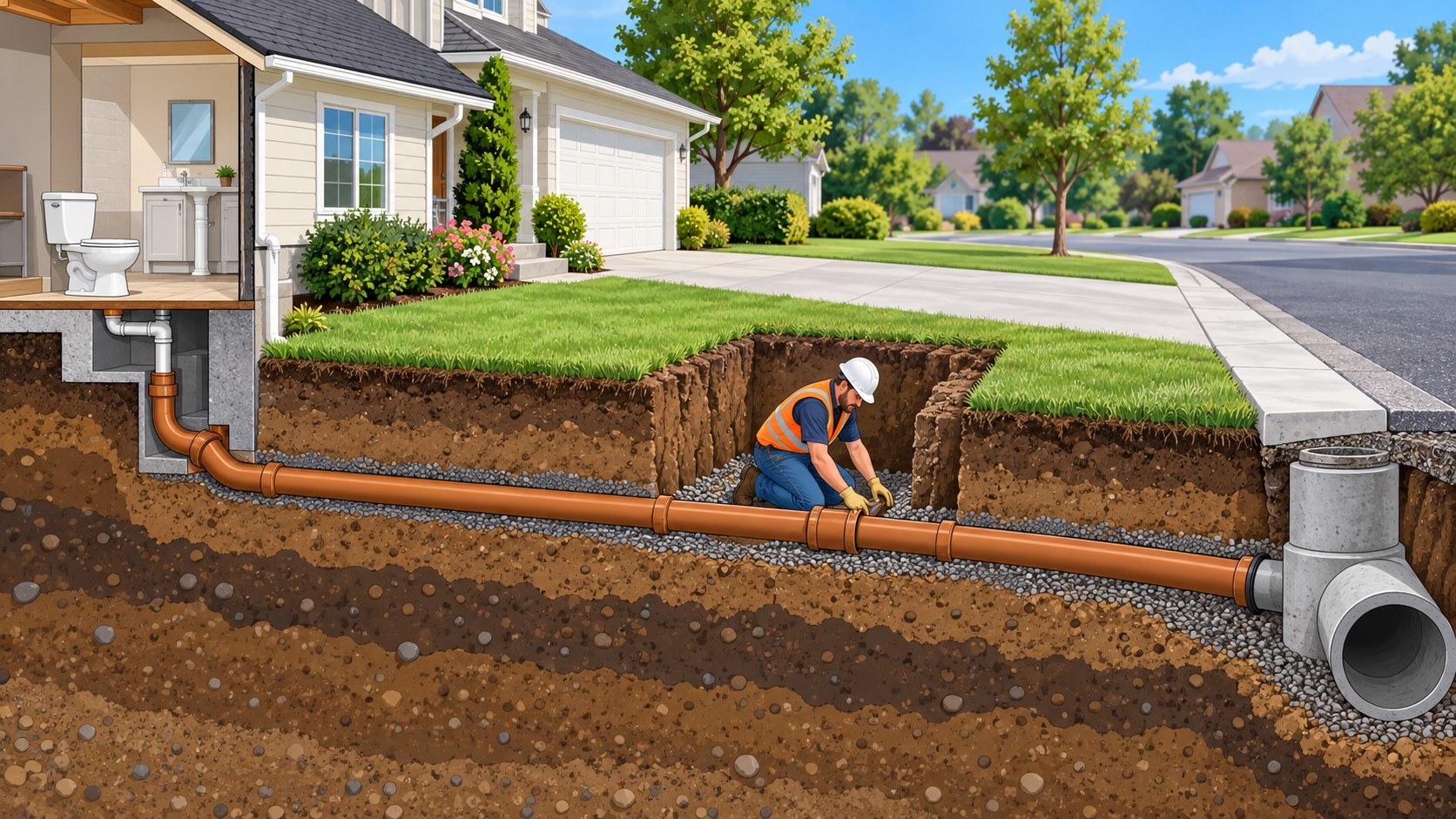
A damaged sewer line can be one of the more expensive plumbing projects a homeowner faces, especially when the pipe is deep, hard to reach, or buried under a driveway, slab, landscaping, or other finished surface. This guide explains current planning costs, what drives the price, how repair methods compare, and what to ask before you approve the work.
Quick Answer: How Much Does Sewer Line Replacement Cost?
- A common national planning range is about $50 to $250 per linear foot.
- For a typical 40-foot replacement, that’s roughly $2,000 to $10,000. HomeGuide puts the national average around $6,000.
- Biggest cost drivers: length and depth of the damaged line, access, open-trench vs. trenchless method, work under concrete or structures, permits, and restoring your yard or driveway.
- A camera inspection (often about $100 to $500) can show whether you need a spot repair or a full replacement.
- Your actual price may be much lower or higher. Compare the scope of work, not just the bottom-line number.
What Does Sewer Line Replacement Usually Cost?
HomeGuide estimates sewer line replacement at about $50 to $250 per linear foot, with a national average of about $6,000 and a typical 40-foot project running roughly $2,000 to $10,000. Angi reports a similar $50 to $250 per foot range, averaging about $150 per foot.
That wide spread isn’t a mistake. Sewer work is unusually site-specific. Two houses on the same street can have very different costs if one line is shallow and runs under open lawn while the other is deeper, longer, or buried beneath concrete. A short spot repair may cost far less than replacing the full run to the public sewer, while long runs, difficult soil, under-slab work, street or right-of-way work, and extensive restoration can push a project into five figures.
Estimated Cost by Length of Pipe
Because sewer replacement is often priced by the foot, length makes a big difference. At $50 to $250 per linear foot:
| Length Replaced | Estimated Cost Range |
|---|---|
| 20 feet | $1,000 – $5,000 |
| 40 feet | $2,000 – $10,000 |
| 60 feet | $3,000 – $15,000 |
| 80 feet | $4,000 – $20,000 |
| 100 feet | $5,000 – $25,000 |
Planning math only. Deep lines, work under driveways or slabs, street connections, and surface restoration can add significantly to these figures.
First, Know Which Part of the Sewer Line Is Yours
“Sewer line” can mean different parts of the drainage system. This article covers the private building sewer (also called a sewer lateral or side sewer) that carries wastewater from your home toward the public sewer.
Don’t assume your property line is where your responsibility ends. Local rules differ. Seattle Public Utilities, for example, says a property owner’s side sewer extends all the way to the public sewer main, and New York City also makes property owners responsible for their sewer service line up to the city main. Other cities split responsibility differently.
Before you authorize expensive work near a sidewalk, street, easement, or public connection, ask your local sewer utility where private responsibility ends and whether special permits or approved contractors are required.
What Drives the Price of Sewer Line Replacement?
1. How Much Pipe Actually Needs Replacing
Replacing 15 feet of failed pipe is a very different project from replacing 70 feet from the house to the connection point. This is why a camera inspection matters. If the failure is limited to one section, a spot repair may be possible. If the pipe has widespread deterioration, repeated offsets, major root intrusion, or several failed sections, a longer repair or full replacement may make more sense.
2. The Depth and Location of the Pipe
A shallow line under open lawn is easier to reach than a deep line near a foundation or under a driveway, patio, retaining wall, or mature landscaping. Deeper digging takes more labor, equipment, safety measures, and backfill. Access for machinery matters too. A tight side yard can make the same job much slower.
3. What Has to Be Dug Up and Put Back
The pipe itself is only part of the bill. Traditional replacement means exposing the line, installing new pipe, backfilling, and restoring the surface. Lawn restoration may be fairly simple. Concrete, pavers, a driveway, walkways, or decorative landscaping can make restoration a major cost. Angi puts yard and driveway restoration at roughly $1 to $25 per square foot.
Ask whether restoration is included in the sewer contractor’s price or handled by someone else. Two bids can look thousands of dollars apart simply because one includes restoration and the other doesn’t.
4. Open-Trench vs. Trenchless Replacement
Traditional open-cut replacement exposes the pipe by digging a trench. Trenchless methods reduce surface disruption, but “trenchless” doesn’t mean no digging, and it doesn’t automatically mean cheaper.
- Pipe bursting pulls a new pipe through the path of the old one, breaking the old pipe apart as it goes. It needs access pits at each end.
- Cured-in-place pipe (CIPP) lining places a resin-soaked liner inside the existing pipe and cures it to form a new pipe within the old one.
| Method | Typical Cost | Best Suited For |
|---|---|---|
| Traditional open trench | Within the $50 – $250/ft range, plus restoration | Collapsed or badly misaligned pipe; shallow lines under open lawn |
| Pipe bursting | $60 – $200 per linear foot | Replacing a failing line along the same path with less digging |
| Pipe lining (CIPP) | $90 – $250 per linear foot | Structurally suitable pipe with cracks, leaks, or root entry; lines under driveways or slabs |
Method costs from HomeGuide national data.

The right method depends on the pipe’s condition and alignment, access, local requirements, and the specific defect. Collapsed or badly sagging sections may need excavation or a spot repair before a trenchless method will work. The key question isn’t “Can you do this trenchless?” It’s “Why is this method right for my pipe?”
5. The Type and Extent of the Damage
Sewer lines fail for different reasons: root intrusion, separated joints, corrosion, cracks, sagging (“bellied”) sections, crushed pipe, or full collapse. Different failures call for different fixes. A recurring clog doesn’t automatically mean the whole line must be replaced. On the other hand, repeatedly clearing a line with a serious structural defect may only postpone a bigger repair. Ask the contractor to show you the evidence, ideally on camera video, and explain which defects need repair.
6. Pipe Material, Labor, Permits, and Site Conditions
On many sewer jobs, the pipe itself isn’t the biggest expense. Labor, excavation, equipment, disposal, permits, inspections, and restoration often outweigh it. Soil type, groundwater, nearby utilities, weather, contractor availability, and local rules all play a role. HomeGuide puts permits at roughly $30 to $500, but requirements vary by city.
Don’t Approve an Underground Project Blind
Our free Before You Hire Home Repair Cost Checklist helps you compare estimates side by side, spot missing items like restoration and permits, and know what to ask before you sign.
Related Sewer Costs to Know
Not every sewer problem ends in a full replacement. These national ranges can help you understand the smaller jobs you may see on an estimate:
| Service | Typical Cost |
|---|---|
| Sewer camera inspection | $100 – $500 |
| Snaking / clearing a main line clog | $150 – $600 |
| Hydro jetting | $250 – $800 |
| Root removal | $100 – $600 |
| Spot repair of a cracked section | $600 – $1,050 |
| Sewer permit | $30 – $500 |
Sources: HomeGuide and Angi national cost data. Local prices vary.
Why a Sewer Camera Inspection Is Worth It
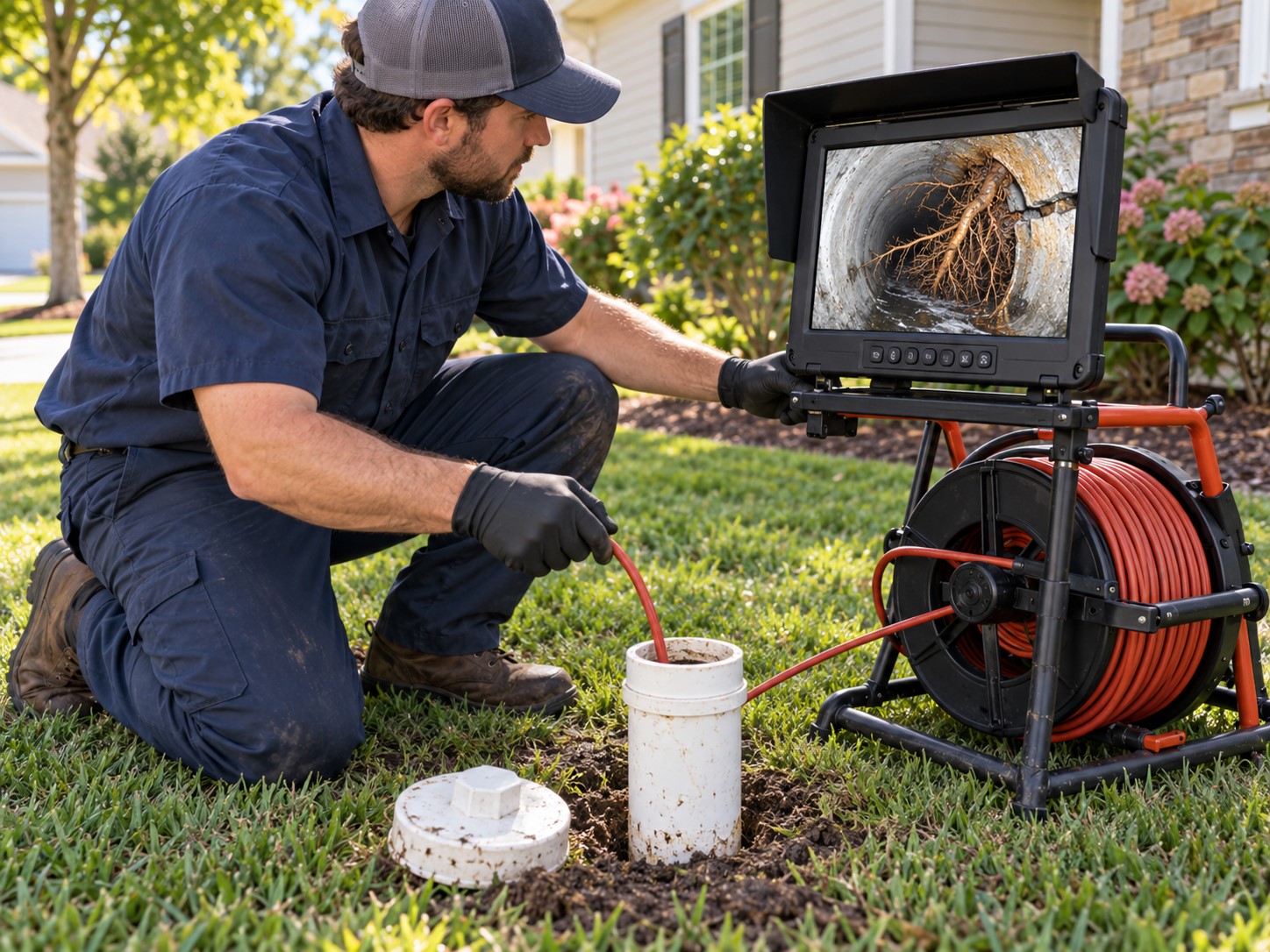
A sewer camera lets a qualified professional look inside the line and document roots, breaks, offsets, deterioration, and some kinds of collapse. Seattle Public Utilities specifically recommends hiring a plumber or sewer inspector who can run a video camera through the line when evaluating problems.
A camera doesn’t answer every question. The line may be blocked, submerged, or collapsed, and the camera can’t see the surrounding soil. But it gives you far better information than approving a major replacement just because a drain backed up. If replacement is recommended, ask the contractor to show you the problem on the video and point out roughly where it is.
How Long Do Sewer Lines Last?
Pipe material and age matter. According to HomeGuide, older clay and Orangeburg (a tar-paper-based pipe used in some mid-20th-century homes) typically last about 30 to 60 years, while PVC, cast iron, and copper sewer lines can last 50 to 100 years. If your home is older and still has its original sewer line, it’s worth asking what material it is and what condition the camera shows.
Repair, Line, or Replace?
Depending on the condition of the line, possible approaches include clearing a blockage, a spot repair, replacing one damaged section, lining a structurally suitable pipe, pipe bursting, or replacing the line by open excavation. There may be more than one reasonable option. Seattle Public Utilities notes that contractors may recommend different repair methods based on the sewer’s condition and their experience, which is one reason getting several written bids helps on a large project.
When the proposed work is expensive, ask each contractor to explain why their method is better than the alternatives for your particular line.
Does Homeowners Insurance Cover Sewer Line Replacement?
Often, no. Standard homeowners policies typically don’t cover sewer line damage caused by wear and tear, age, or tree roots, and Angi notes that a clogged sewer line usually isn’t covered. Some coverage options may help, though:
- Service line coverage is an optional add-on some insurers offer for buried utility lines, including sewer laterals.
- Sewer backup coverage is a separate add-on that may help with damage inside your home from a backup. It usually doesn’t pay to repair the pipe itself.
- Some cities and utilities offer service line protection programs for a monthly fee.
Check your policy or call your insurance agent before work begins, and ask exactly what is and isn’t covered.
How to Compare Sewer Line Replacement Estimates
A useful sewer estimate tells you exactly what’s being replaced and what happens before and after the new pipe goes in. Before choosing a contractor, ask:
- What did the camera inspection or evaluation show?
- How many feet of pipe will you repair or replace?
- Where does the work start and end?
- What method are you recommending, and why?
- What pipe material and size will be installed?
- Are excavation, backfill, hauling, permits, and inspections included?
- What lawn, landscaping, concrete, driveway, or interior restoration is included?
- What could change the price after digging starts, and how will you handle it?
- Will there be a final inspection or a post-work camera scope?
- What workmanship and material warranties apply?
The goal isn’t to pick the company with the longest proposal. It’s to understand what each price includes so you’re comparing the same work.
What Can Change the Price After Work Begins?
Underground work always carries some uncertainty. The pipe may be deeper than records show, more deteriorated than the camera revealed, or blocked by a collapse, and other utilities can complicate access. That doesn’t make an open-ended estimate acceptable. Ask how unforeseen conditions are handled, which changes need your approval, and whether the bid lists unit prices for likely extras such as additional footage or concrete restoration. Written expectations matter because most of the work disappears underground once the trench is closed.
If Sewage Is Backing Up Into Your Home
Treat an active backup as more than a pricing question. The U.S. Environmental Protection Agency warns
that sewage can contain harmful pathogens, so avoid contact with it. Contact a qualified plumbing or sewer professional, and
if the problem may involve the public sewer, follow your local utility’s reporting instructions.
Sewer Line Replacement Cost: Frequently Asked Questions
Is trenchless sewer replacement cheaper?
Not always. Trenchless methods can cost as much or more per foot than open-trench work, but they may save money on restoration when the line runs under a driveway, patio, or mature landscaping. Compare total project cost, including restoration, not just the per-foot price.
How long does sewer line replacement take?
Many trenchless jobs are completed in a day or two. Open-trench replacement often takes several days, plus time for inspections and restoration. Longer or deeper runs, permits, and weather can extend the timeline.
Who is responsible for the sewer line between my house and the street?
It depends on where you live. In some cities the homeowner is responsible all the way to the public main, even under the street. Check with your local sewer utility before work begins.
How much does a sewer camera inspection cost?
Typically about $100 to $500, depending on your area and whether the line needs to be cleared first. It’s often a worthwhile step before approving a major repair.
Can a sewer line be repaired instead of replaced?
Often, yes. If damage is limited to one section, a spot repair or lining may be possible. Widespread deterioration, collapse, or serious sagging may make replacement the better long-term choice.
The Bottom Line on Sewer Line Replacement Cost
For planning, roughly $50 to $250 per linear foot is a useful current national range, and a 40-foot replacement may land around $2,000 to $10,000. But the number that matters for your home depends on the failed section, depth, access, method, permits, and everything that must be dug up and restored to reach the pipe.
Before approving a major sewer replacement, make sure you understand three things: what’s wrong with the line, why the proposed method fits that problem, and exactly what the price includes. Those answers make it much easier to compare estimates instead of judging an underground project by one number alone.
Get the Free Before You Hire Checklist
Download our free Before You Hire Home Repair Cost Checklist. Use it to compare sewer quotes, catch missing line items, and ask the right questions before you commit thousands of dollars.
Sources
- HomeGuide: How Much Does Sewer Line Replacement Cost?
- Angi: How Much Does Sewer Line Replacement Cost? (2026 Data)
- Seattle Public Utilities: Side Sewer Repair Methods
- Seattle Public Utilities: Side Sewer Maintenance
- NYC Department of Environmental Protection: Service Line Protection Program
- U.S. EPA: Sanitary Sewer Overflows (SSOs)
House Care
Compass provides general educational information to help homeowners better understand repair and replacement decisions.
Cost figures are national planning estimates and will vary by location, home, and contractor. For advice about your
specific home or project, consult an appropriately qualified professional.